

Case Study • Curved Staircase + Glass Balustrade
First, this case study explains how we plan and deliver a curved staircase glass balustrade package. In addition, it highlights the checks that keep the curve clean and the installation predictable.
Project overview
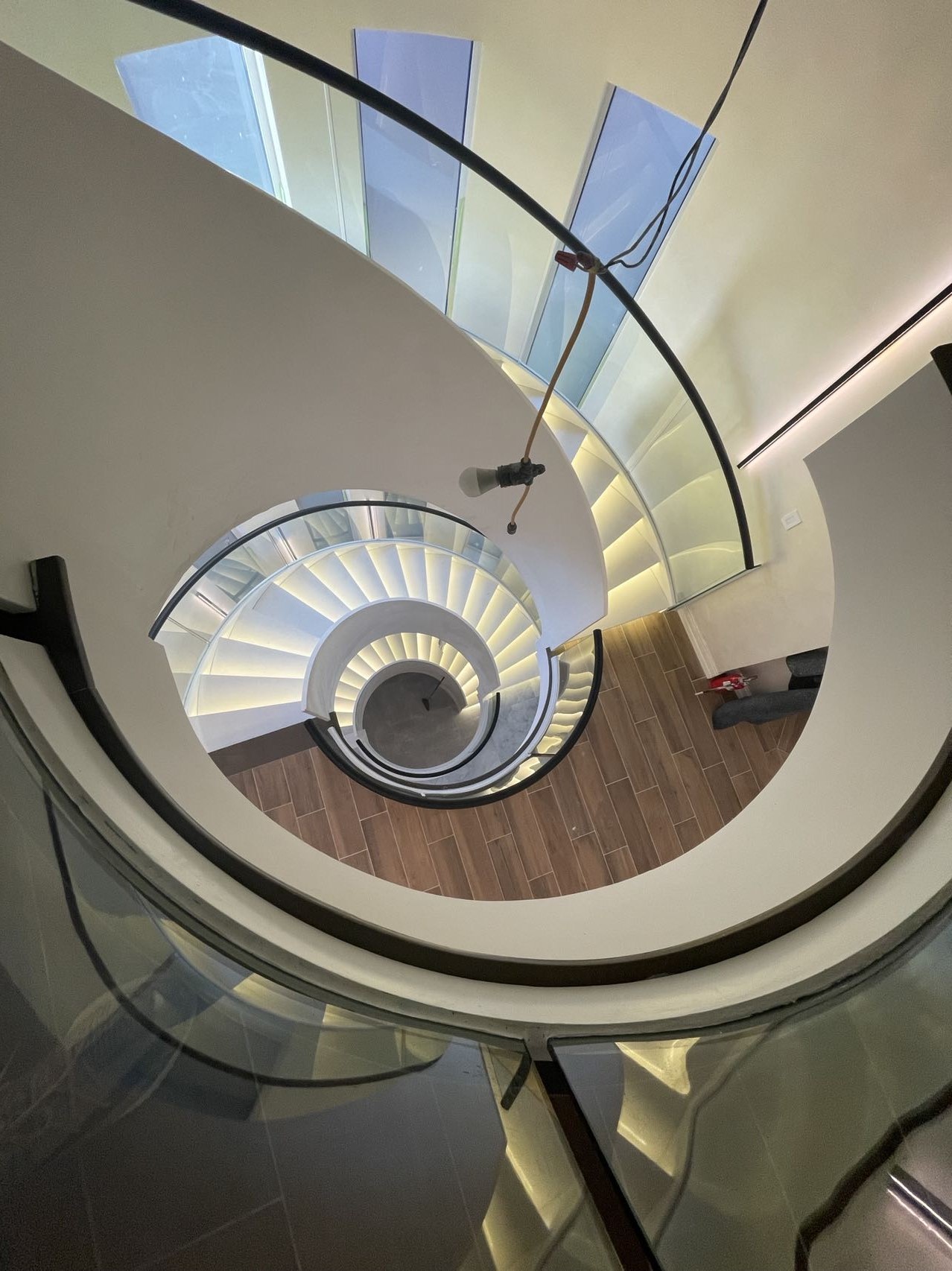
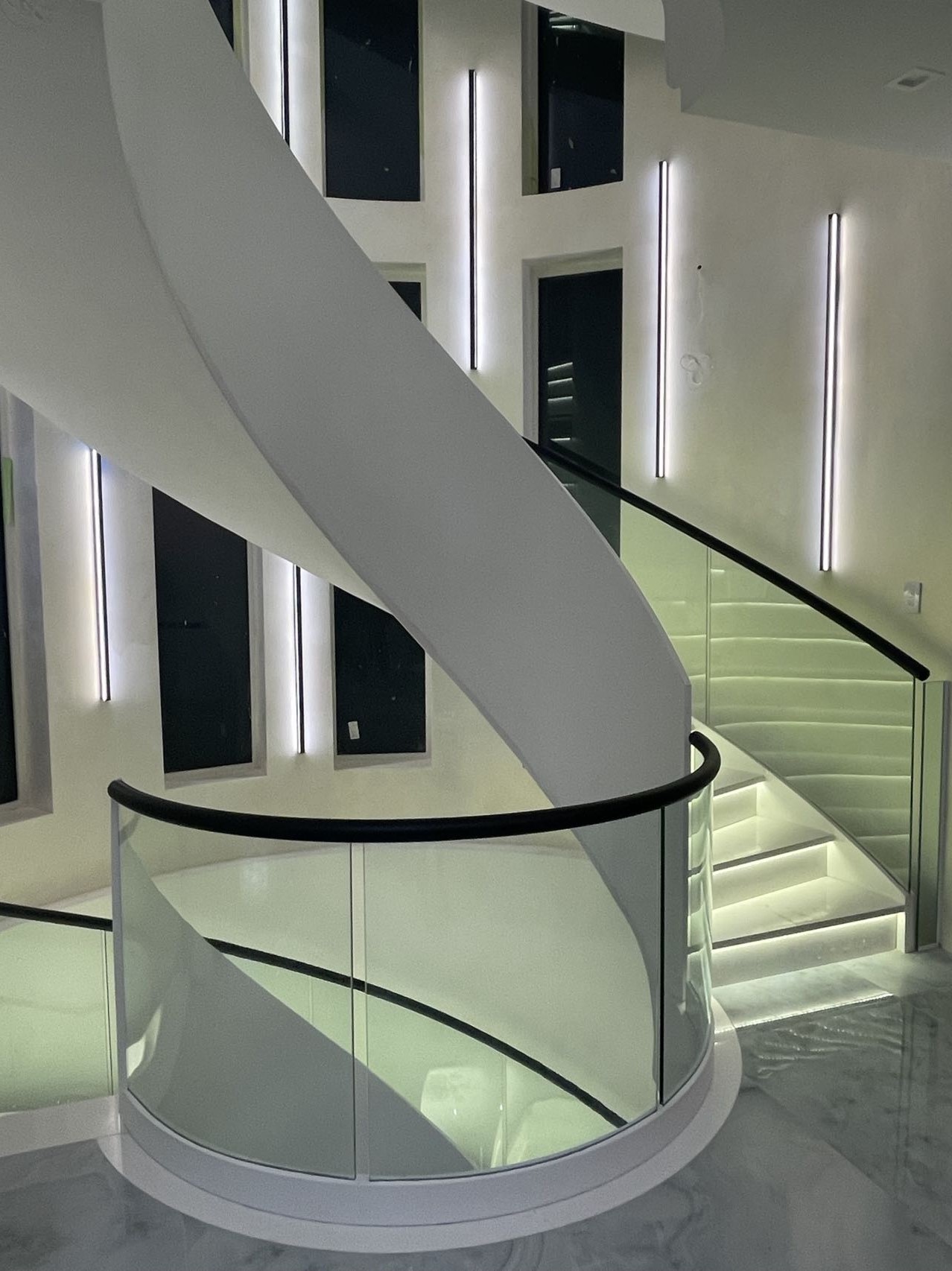
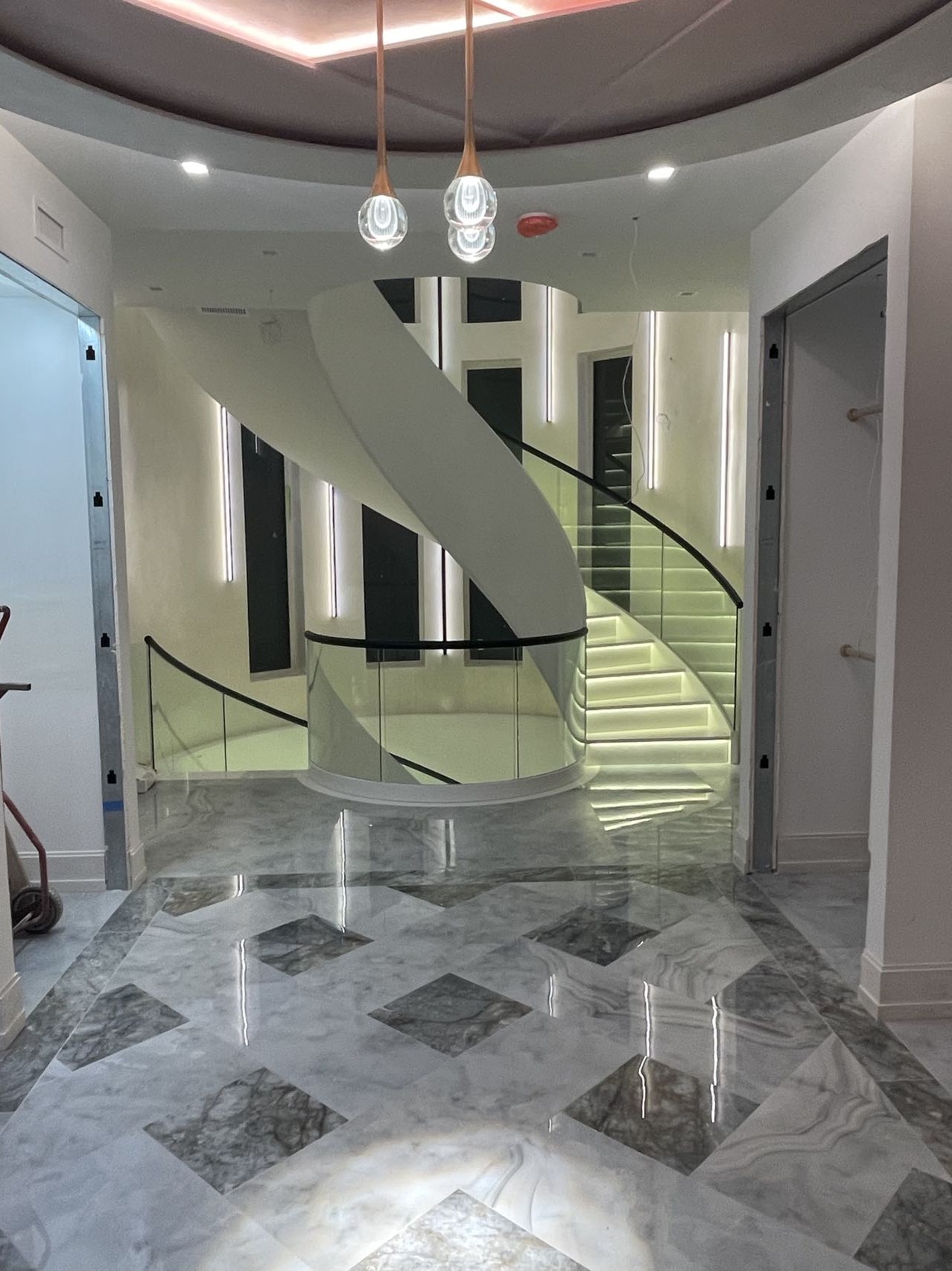
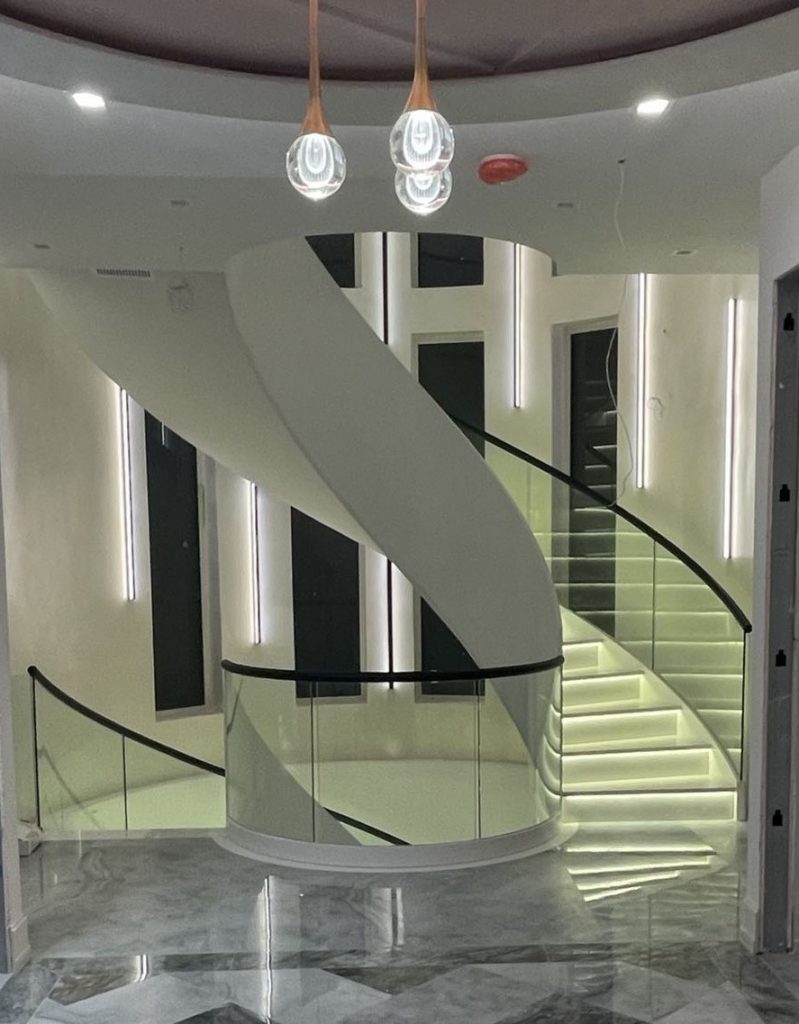
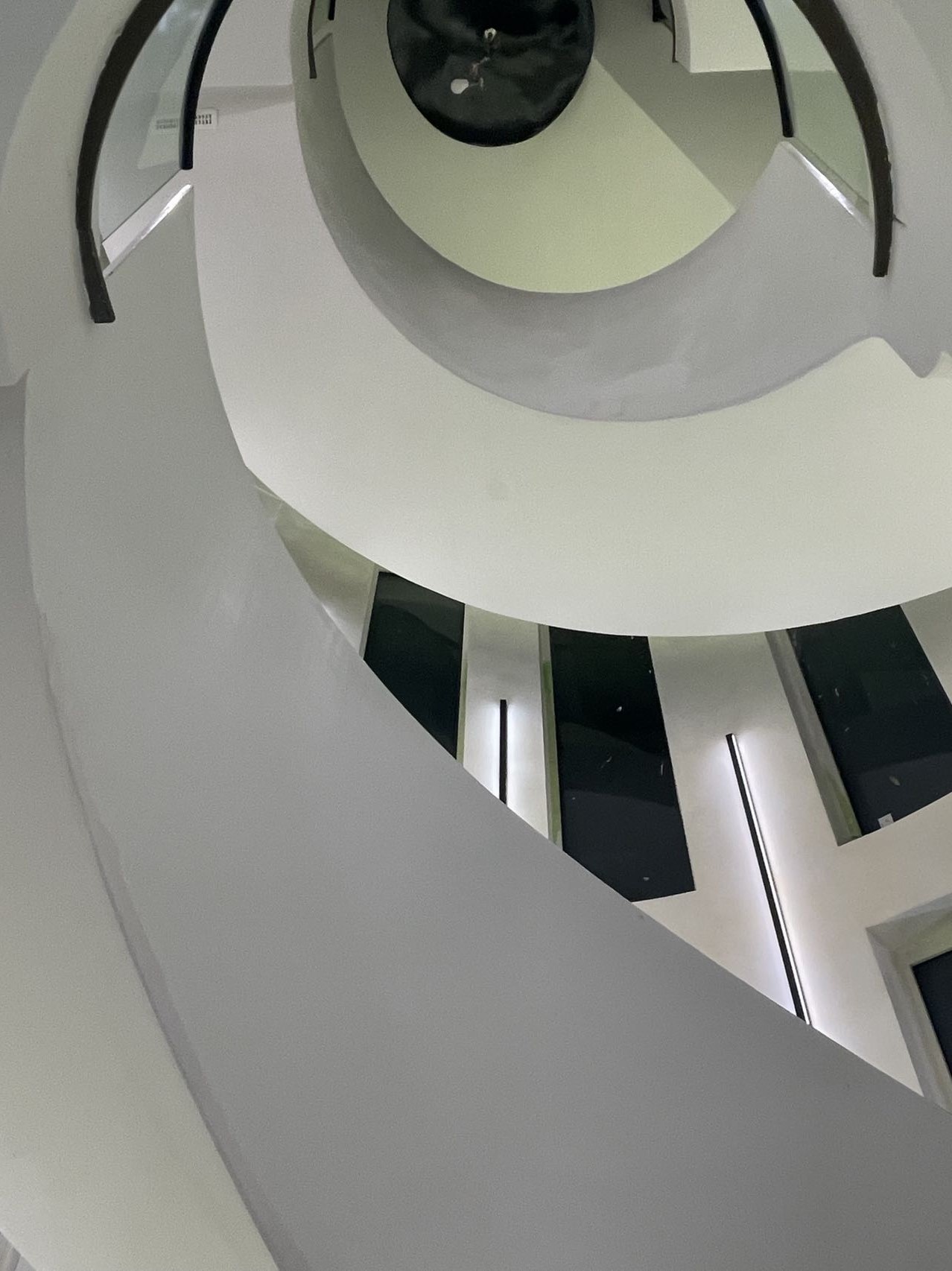
First, this case study focuses on a curved staircase and a matching glass balustrade inside an urban penthouse. Therefore, we only cover the stair + railing scope and the deliverables that make installation predictable.
In addition, curved work needs careful planning. So, we aim for smooth transitions, clean sightlines, and consistent gaps along the entire run.
- Project type: curved interior staircase + glass balustrade
- Location: Manhattan, New York (USA)
- Scope note: no pricing and no unconfirmed items
The challenge
A curve looks simple. However, it becomes difficult when you need the railing to feel “continuous” from every angle. So, we treat geometry, joints, and alignment as one system.
- Geometry control: keep the curve consistent between stair run and landing edge
- Visual rhythm: place joints so they feel balanced, not random
- Comfort: confirm the handrail approach early
- Install clarity: reduce on-site decisions with clear drawings
What we delivered
1) Measurement checklist
First, we confirm finished floor levels and edge conditions. Then, we collect photos of fixing surfaces so the base details are defined early.
2) Panel layout plan
Next, we plan panel joints and transitions along the curve. As a result, the railing reads as one continuous line.
3) Shop drawings
In addition, we produce shop drawings that show reference points, alignment lines, and fixing positions. Therefore, installers can keep reveals consistent and corners clean.
4) Installation guidance
Finally, we provide an install checklist for staging, edge protection, and final checks. In other words, the finish stays clean from delivery to handover.
Detail highlights
The “Apple-clean” look comes from consistency. For example, straight lines, tidy junctions, and repeatable spacing matter more than flashy features.
What we confirm before fabrication
- Curve requirement: radius or reference points, plus the landing transition
- Fixing surfaces: confirm the base condition so anchors and covers align
- Handrail strategy: decide early to avoid late rework
- Protection plan: prevent edge damage during transport and staging
Note: Always confirm local code requirements and site conditions with qualified professionals. Requirements can vary by building type and location.
Client feedback
That said, the best proof is daily experience. Therefore, we keep feedback visible and use it to refine details in future work.
FAQ
What should I send to start drawings?
First, send photos and a rough plan. Then, add key dimensions and the curve requirement. As a result, the drawings can be prepared faster and with fewer revisions.
How do you keep gaps consistent on a curve?
We plan the joint spacing early. In addition, we align panels to common sightlines so the curve feels smooth and balanced.
Can you match a minimalist style?
Yes. However, we still need to confirm the handrail approach and fixing details early, because they affect comfort and safety.
Request a Quote
Next, send your layout (or measurements), photos of the stair opening, and the curve requirement. Then we’ll recommend a glass balustrade approach and prepare drawings for approval.
Include: location, photos, rough dimensions, and your preferred style. Finally, tell us if the glass is for the stair run, the landing, or both.