

Case Study • Frameless Glass Balustrade
First, this case study focuses on a single scope: interior glass railing (glass balustrade) for a modern home. In addition, it shows what matters most in real projects—clear drawings, clean details, and install-ready guidance.
Scope note: This article covers the stairs + glass railing package only. Therefore, we avoid pricing and any unconfirmed items outside the railing scope.
Project overview
Glass railings are a design feature and a safety feature. So, the goal is always the same: keep sightlines clean while supporting safe everyday movement. In other words, the “look” and the “details” must work together.
- System: frameless glass balustrade (interior)
- Focus: clean lines, safe movement, reliable fixing details
- Deliverables: drawings + specification notes + install guidance
Design goals
First, homeowners choose frameless glass because it feels open and modern. However, a good result depends on the invisible parts: alignment, edge protection, and fixing consistency.
What “Apple-clean” means for glass
- Quiet sightlines: minimal visual breaks and consistent gaps
- Touch points: a handrail strategy that feels comfortable in daily use
- Install clarity: drawings that reduce on-site guessing
What we delivered
Next, we break the work into a repeatable process. That way, the installer can follow a clear plan, and the final look stays consistent.
1) Site review + measurement inputs
First, we confirm fixing surfaces, edges, and any changes in level. Then we check where people naturally place their hand, so the handrail approach feels right.
2) Shop drawings
In addition, we provide shop drawings that show panel layout, alignment references, and fixing points. As a result, the team can install faster and avoid uneven gaps.
3) Specification notes
Meanwhile, we include practical specification notes for glass handling and finishing expectations. Therefore, key details are not left to assumptions on site.
4) Installation guidance
Finally, we supply an install checklist for alignment, panel protection, and final safety checks. In other words, the project stays clean from delivery to handover.
Detail highlights
Small details make the biggest difference. For example, consistent panel alignment and tidy edge finishing are what your eyes notice first. That said, durability also matters, especially in high-traffic areas.
- Alignment: keep sightlines straight across runs and corners
- Edges: protect edges during handling and installation
- Cleaning: plan for easy wipe-down and fewer dust traps
Compliance questions to ask
Glass railings must meet local rules. Therefore, always confirm your final design with a licensed builder or building professional.
NCC: barriers and handrails
The National Construction Code (NCC) includes requirements for barriers and handrails on stairs, landings, and elevated areas. So, your balustrade and handrail approach should be reviewed against the relevant NCC provisions.
AS 1288: selecting and installing glass
AS 1288 provides requirements and guidance for choosing and installing glass in buildings, including special applications such as barriers. As a result, it’s a key reference when specifying glass type and installation method.
Important: This article is for general guidance. Always follow local regulations, and confirm your specific project conditions with qualified professionals.
Client feedback
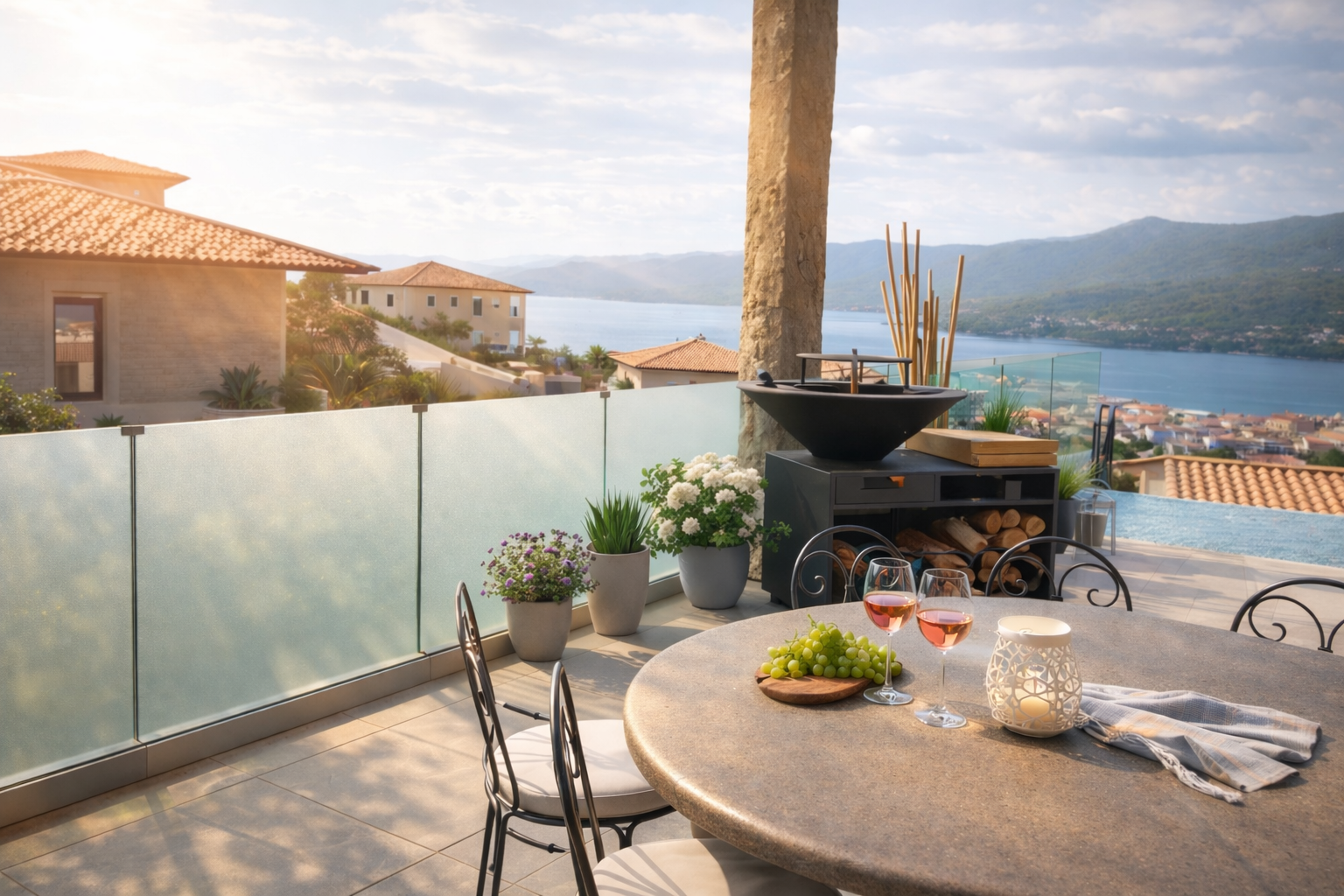
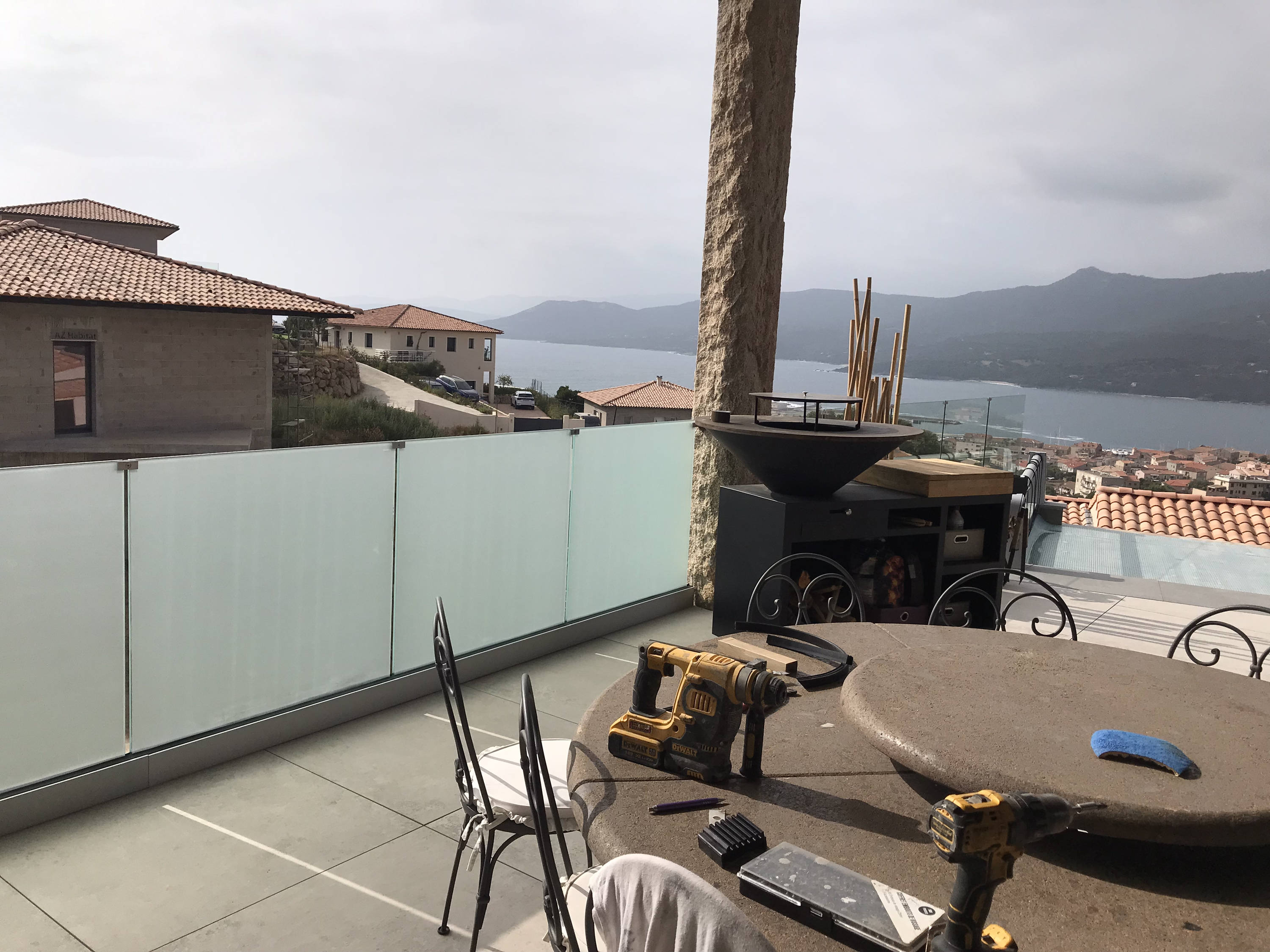
That said, the most meaningful result is how the space feels every day. So, we keep client feedback visible and use it to refine future details.

FAQ
What should I send to get accurate drawings?
First, share photos of the installation area and a rough plan (if you have one). Then, add key dimensions and any constraints around fixing surfaces.
How do I keep a frameless glass railing looking clean?
Use a simple, regular cleaning routine, and avoid abrasive tools on glass. In addition, keep fittings free of debris so water and dust don’t build up.
Can you match a modern minimalist style?
Yes—clean lines are our default. However, we still plan the handrail approach and fixing details carefully, because those choices affect comfort and safety.
Request a Quote
Next, send your photos, rough dimensions, and the look you want. Then we’ll recommend a glass railing approach and prepare install-ready drawings.
Include: location, photos, a rough plan (if available), and your preferred style. Finally, tell us if this is a stair run, a landing, or a balcony edge, so we can suggest the right details.