

Homeowner Guide
Custom cabinets can turn an “almost works” kitchen into a space that finally fits your layout, storage habits, and style. In this guide, you’ll learn what custom cabinets are, why they’re worth considering, which materials matter most, and what to expect from design to installation.
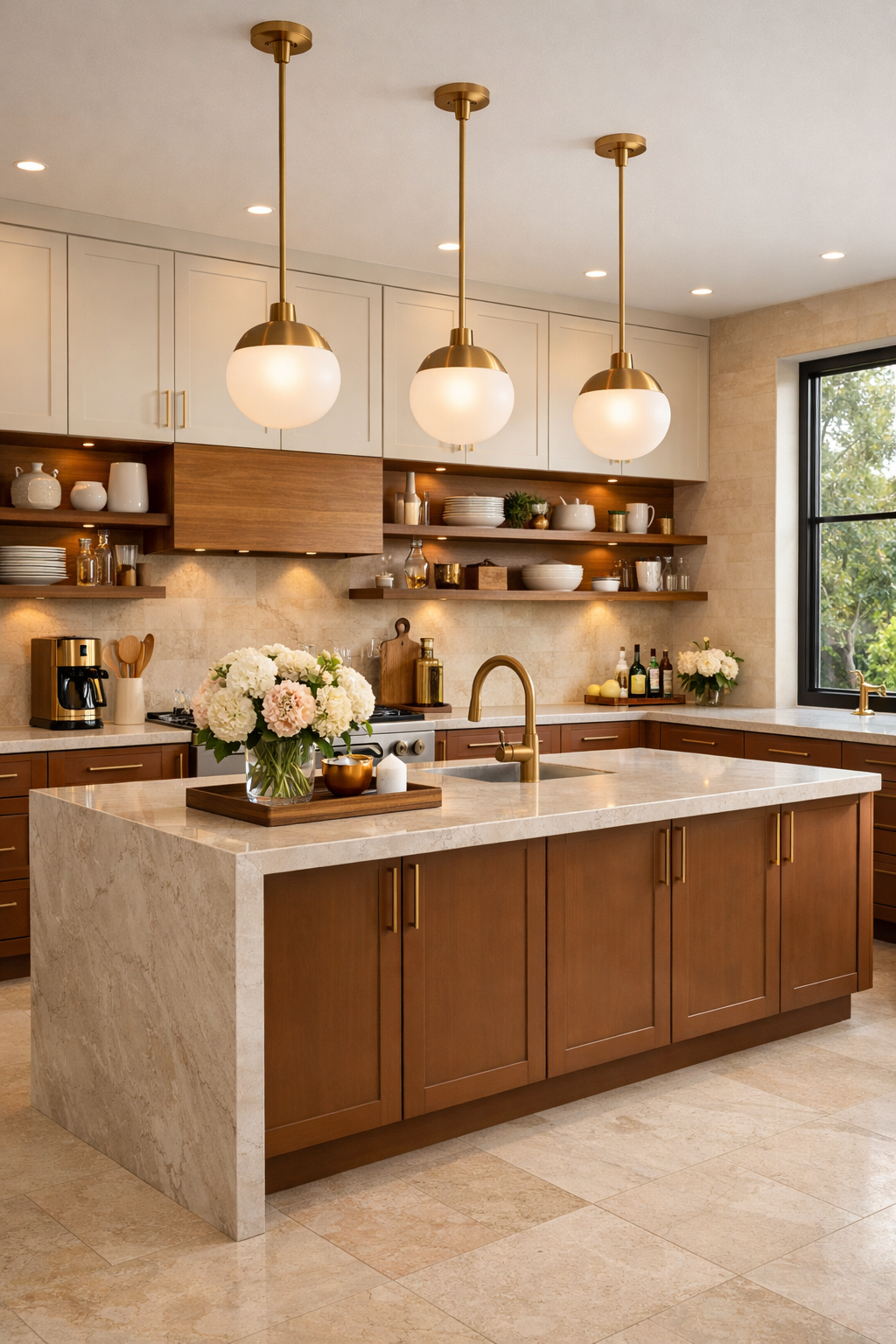
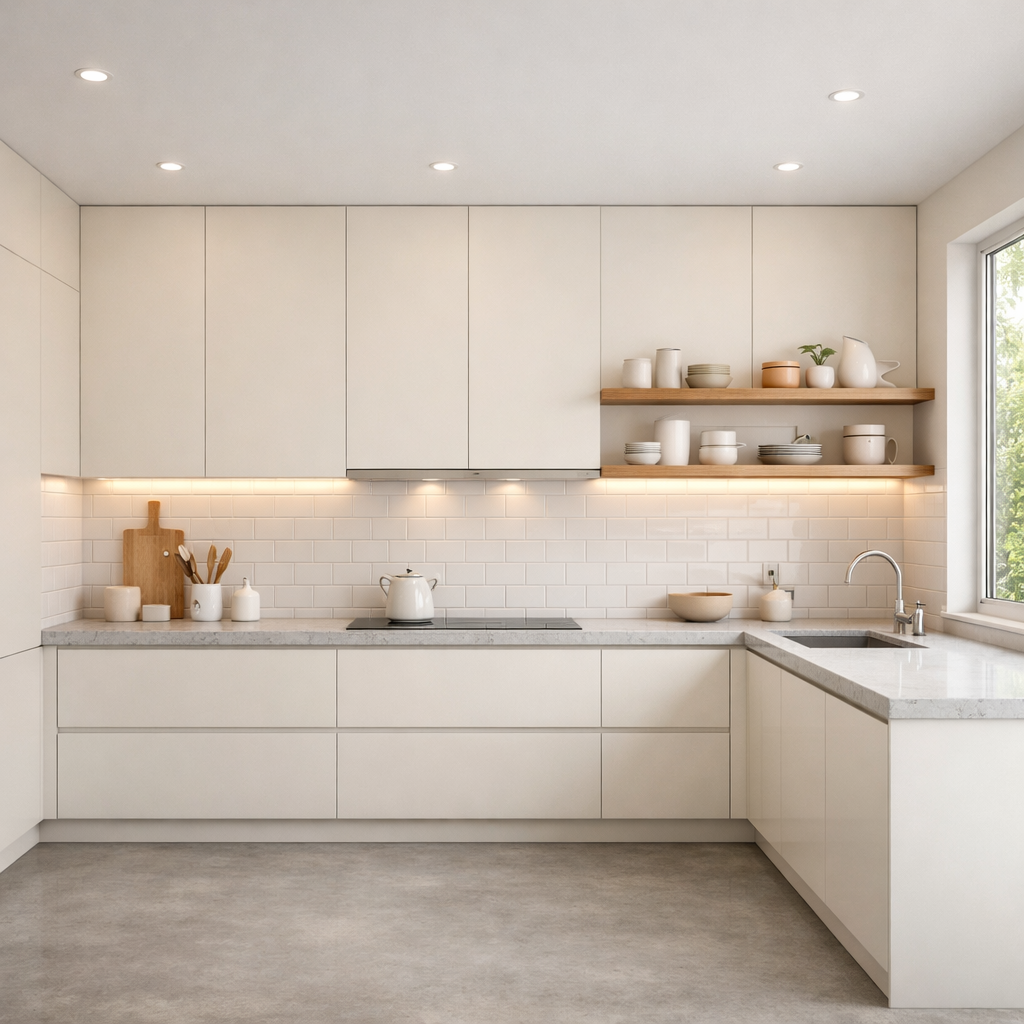
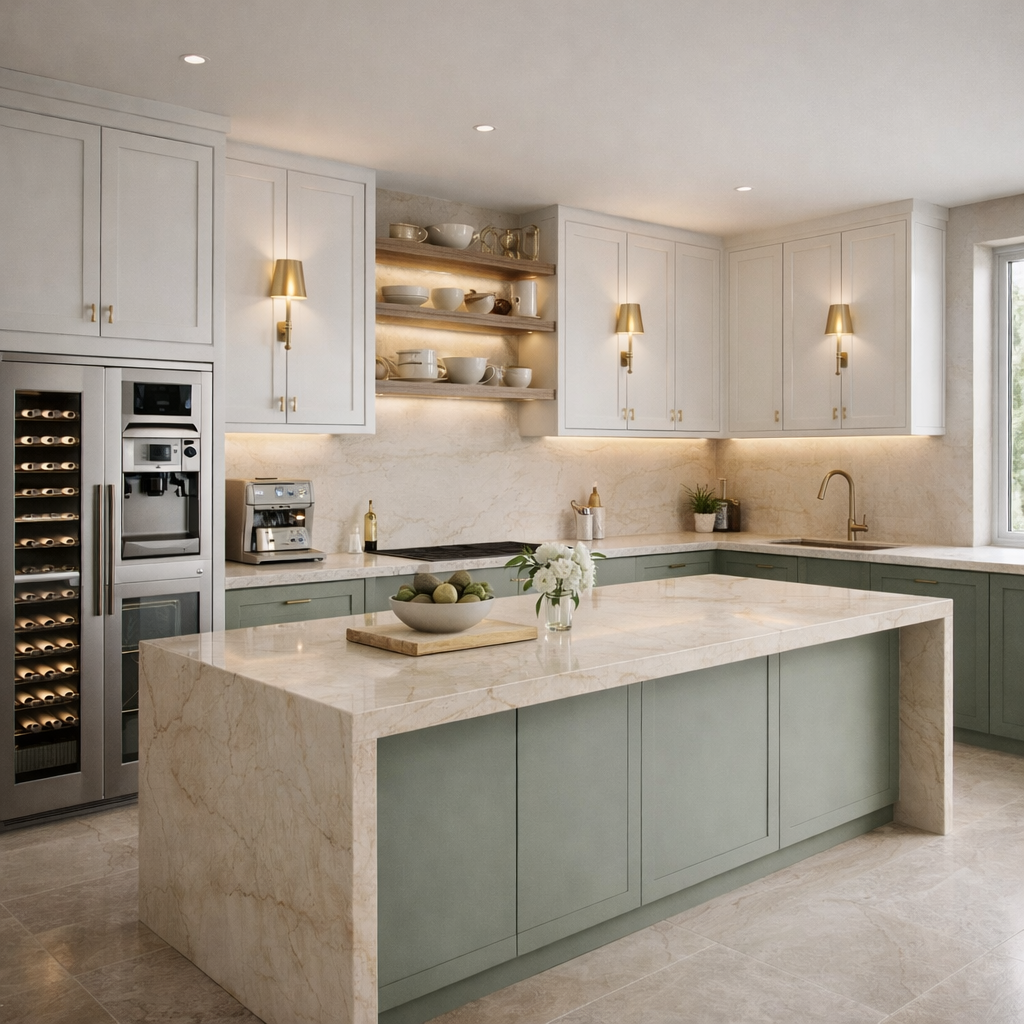
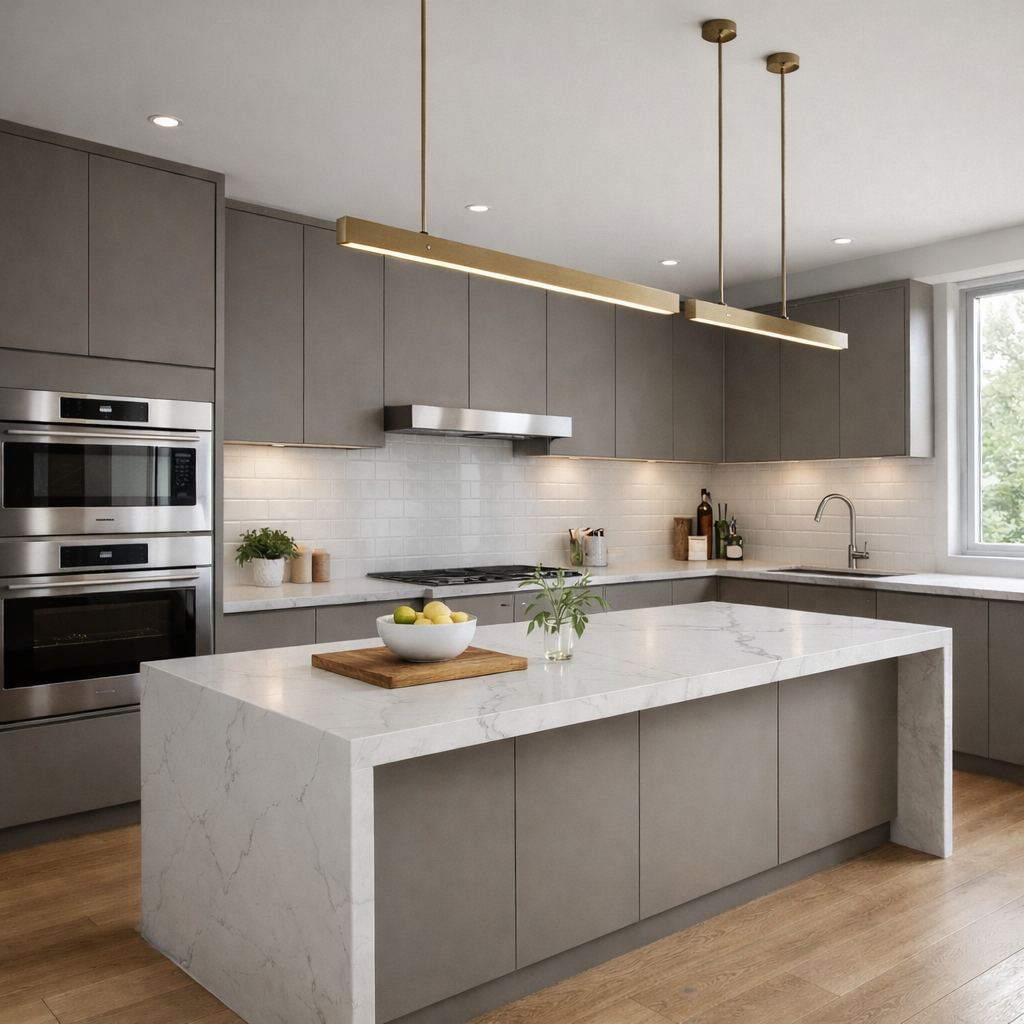
Quick answer: Custom kitchen cabinets are built to your exact measurements and choices—so you can control size, layout, materials, door style, and storage features. As a result, you typically get a better fit and a more “finished” look than stock cabinets. However, you should plan ahead because production often takes weeks, not days.
What are custom kitchen cabinets?
Custom kitchen cabinets are made-to-order cabinets built from scratch for your exact kitchen dimensions and preferences. Unlike stock cabinets (fixed sizes) or semi-custom cabinets (limited modifications), custom cabinets start with a blank slate. Therefore, you can tailor widths, heights, depths, finishes, door profiles, and interior storage to match your space and lifestyle.
In practical terms, that means fewer filler panels, fewer awkward gaps, and more usable storage. In addition, custom cabinetry can solve tricky layouts—such as tight corners, low ceilings, or appliances that don’t fit standard openings.
Reality check: Because custom cabinets are built-to-order, you’ll usually need more planning time. So, if you have a hard deadline, start measurements, appliance selection, and layout decisions early.
Benefits of custom kitchen cabinets
Custom cabinets cost more upfront, yet many homeowners still choose them because the fit, finish, and day-to-day usability feel noticeably better. Moreover, you can design for how you actually cook and store items, instead of adjusting your habits to standard boxes.
1) Personalization (style + finish)
You can match door styles, colors, and hardware to your home’s look. For example, you can keep a modern slab front while choosing a warmer wood tone—or, alternatively, go classic Shaker with a clean painted finish.
2) Better fit (use more of your space)
Because every cabinet is sized for your walls, you can reduce wasted inches. As a result, you often get more storage and a more seamless built-in appearance—especially in small or irregular kitchens.
3) Quality + durability
Custom shops often use stronger construction details and better hardware. Consequently, doors hang straighter, drawers feel smoother, and shelves are less likely to sag over time.
4) Storage that matches your habits
Instead of “standard” drawers, you can add pull-out trash/recycling, spice pull-outs, tray dividers, corner pull-outs, or deeper drawers for pots. In other words, you’re buying function—not just boxes.
If you’re also exploring color trends, you may like: Kitchen Cabinet Colors 2025.
Material options for custom cabinets
Materials affect durability, appearance, and price. Therefore, it helps to decide where you want to “spend” (boxes, doors, or hardware) and where you’re happy to simplify.
Solid wood
Solid hardwood doors and face frames offer natural beauty and long-term value. However, wood can move with humidity, so good construction and proper finishing matter.
- Best for: stained finishes, classic doors, long-lasting upgrades
- Consider: higher cost; choose stable species and quality finishing
Plywood (cabinet boxes)
Plywood is strong and stable because its layers alternate grain direction. As a result, it typically resists warping better than low-end composites, especially in the cabinet box.
- Best for: cabinet boxes, shelves, durable everyday use
- Consider: higher-grade plywood costs more; edges need finishing
MDF (great for painted doors)
MDF paints smoothly because it has no grain, which is why many painted door programs use it. That said, it must be sealed well, because it can swell if water penetrates the finish.
- Best for: painted doors, modern profiles, consistent finish
- Consider: avoid repeated water exposure; prioritize edge sealing
Particleboard (budget option)
Particleboard can lower cost, and it can work in non-critical areas. However, it’s generally less durable and more moisture-sensitive, so many homeowners prefer plywood for boxes when budgets allow.
Laminate / thermofoil (finish systems)
These finishes are easy to wipe and come in many looks (including wood-grain patterns). However, edges and heat exposure are important considerations, so ask about warranties and heat shielding near ovens.
Shortcut: For many homeowners, a balanced “sweet spot” is plywood boxes + painted MDF doors (or solid wood doors if you want a stained finish). That way, you get strength where it counts, while still keeping a clean finish.
Popular cabinet styles and constructions
Style is what you see; construction is how it’s built. Therefore, it helps to pick a look first, and then confirm the construction details that match your budget and expectations.
Shaker
Shaker doors are clean and versatile, so they work in modern, transitional, and classic kitchens. In addition, they pair well with almost any hardware style.
Raised panel
Raised-panel doors feel more traditional and detailed. However, they can take a bit more effort to clean because of the grooves and profile depth.
Slab (flat panel)
Slab doors are sleek and minimal, which is why they’re common in contemporary kitchens. Moreover, they’re easy to wipe because there are fewer crevices.
Framed vs. frameless
Framed cabinets are a traditional North American approach, while frameless (often called “European-style”) can look more streamlined. Consequently, frameless can give slightly more interior space, although it often demands more precise installation for perfect reveals.
Design and ordering process (what to expect)
The process varies by supplier; however, most projects follow a similar sequence. If you know the steps ahead of time, you can avoid delays and reduce rework.
- Consultation + measurement: First, you share your goals, budget, and inspiration. Then, accurate measurements (or builder plans) establish what’s possible.
- Layout + selections: Next, you choose door style, finishes, materials, and storage accessories. At this stage, confirming appliance sizes is critical.
- Quote + revisions: After that, you review a detailed quote and make revisions until the plan feels right.
- Order + production: Finally, production begins once selections are approved and a deposit is placed.
- Delivery + installation scheduling: Meanwhile, you prepare the site (demo, wall repair, rough-ins), so install can start smoothly when cabinets arrive.
Want to prep faster? Download a simple checklist: Kitchen Remodel Planning Checklist.
Timeline and installation expectations
Custom cabinets take longer than stock, so planning matters. As a practical baseline, many projects see a production lead time measured in weeks, not days. For example, several industry sources commonly cite 6–12 weeks as a typical range for custom cabinet manufacturing, depending on complexity and workload.
How long does installation take?
Installation is usually faster than manufacturing. In many average kitchens, a professional crew can install cabinets in about 3–5 days, although complex layouts or extra trim can take longer. Therefore, it’s smart to schedule countertops and backsplash after cabinets are leveled and secured.
Plan for downtime: During installation and countertop fabrication, you may temporarily lose your sink and cooking space. So, set up a small “backup kitchen” (microwave, kettle, and a prep table) to stay comfortable.
FAQ
Are custom cabinets worth it for a normal-sized kitchen?
Often, yes—especially if you have a tricky layout, want specific storage features, or care about a seamless finish. However, if your layout is very standard and budget is tight, semi-custom can sometimes be a good middle ground.
What should I prioritize if my budget is limited?
First, prioritize strong cabinet boxes and reliable hardware. Then, choose door styles and finishes that you can maintain easily. In addition, keep the layout efficient—because smart layout upgrades often feel more valuable than decorative extras.
Should I pick appliances before cabinets?
Yes. Because appliance sizes affect openings and clearances, you’ll avoid redesigns if you confirm appliance specs early. As a result, your cabinet plan can be built correctly the first time.
Get a Quote
To get accurate pricing, please send your kitchen layout (or measurements), your preferred door style, and a few reference photos. Then we’ll suggest materials, finishes, and a timeline that fits your project.
Include: kitchen dimensions (or plan), ceiling height, appliance models, preferred style (Shaker / slab / raised panel), finish preference (paint / stain), and any special storage features. Additionally, mention your project location so we can advise on shipping and lead time.