

Send your location + application + rough dimensions
Share the project type, site location, and basic scope. We’ll reply with a practical recommendation and quote.
This Expo CIHAC guide gives procurement-ready buyers a technical checklist for stair and railing sourcing in Mexico City. Covers how to evaluate suppliers against NOM (Norma Oficial Mexicana) requirements, the seismic design considerations for Mexico City’s Zone IIIb/IIIc soil conditions, import logistics through Mexican ports, and the material finish specifications needed for Mexico’s UV-intense climate.
Event schedules, booth locations, and procurement decisions should always be confirmed against the latest official Expo CIHAC information and your final project scope.

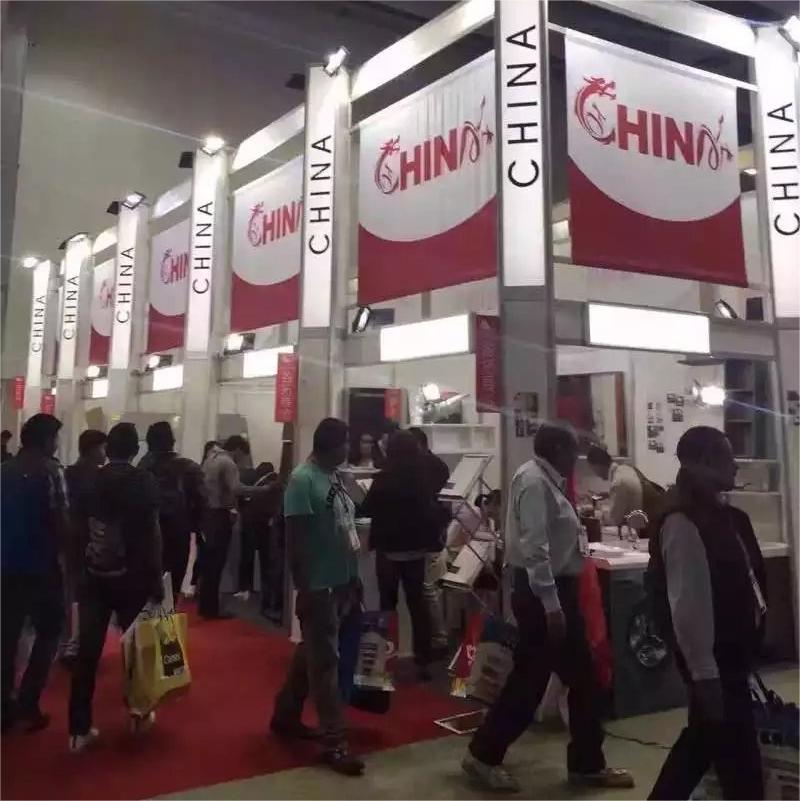
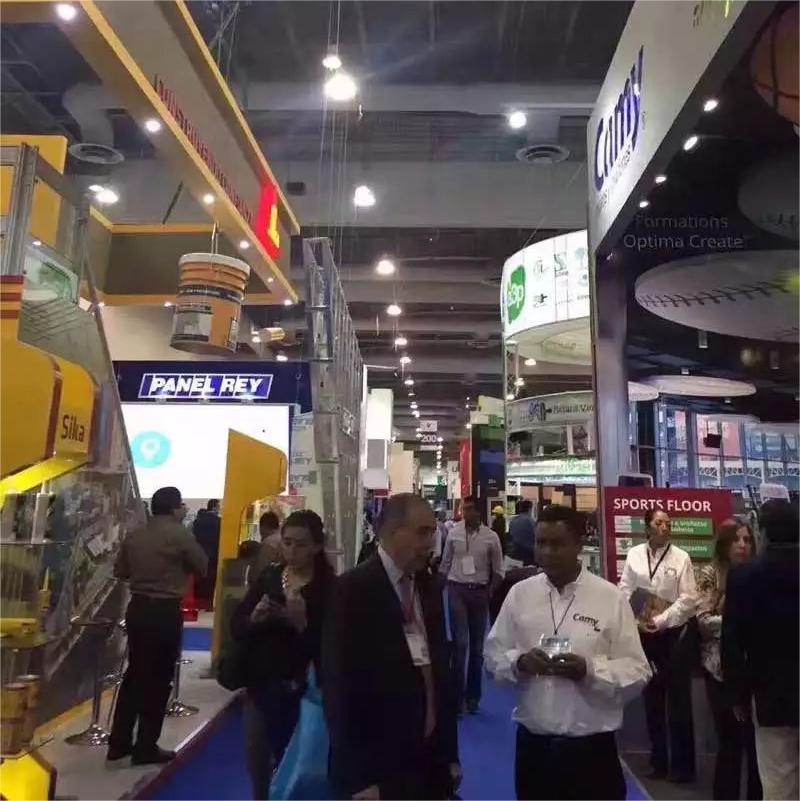
Why Expo CIHAC Matters for Stair & Railing Buyers
Expo CIHAC (Centro Citibanamex, Mexico City) is Latin America’s largest construction and housing exhibition, drawing buyers from across Mexico, Central America, and the Caribbean. For staircase and railing procurement, CIHAC offers a unique advantage: it concentrates both domestic Mexican fabricators and international exporters in a single venue, allowing direct comparison of local vs. imported product quality, lead times, and pricing.
The critical evaluation at CIHAC is whether an international supplier can navigate Mexico’s specific regulatory and logistics environment — which differs substantially from the US or European markets. Before attending, benchmark the product specifications and scope language you’ll encounter. Our glass railing systems page provides the material grades and guard specifications that a supplier should be able to discuss with confidence, including the adaptations required for the Mexican market.
Mexican Code Questions to Test Supplier Knowledge
Mexico’s construction standards operate under a different framework than the IBC or NBC. Key questions to evaluate a supplier’s Mexican market readiness:
- Guard height: “What height do you specify for residential guards in Mexico?” The Reglamento de Construcciones para el Distrito Federal (RCDF) and NTC-Criterios para Diseño Arquitectónico require a minimum 900 mm guard height for residential and 1,000 mm for commercial. Suppliers who default to IBC heights (36″/42″) without confirming the Mexican requirement are applying the wrong code.
- NOM compliance: “Do your steel products carry NOM certification?” Imported structural steel products require NOM-B-254 compliance for carbon steel. Suppliers unfamiliar with NOM standards may face customs delays when shipping to Mexico.
- Tempered glass standard: Ask whether their glass conforms to NMX-C-411 (Mexican glass standard) or an equivalent international standard accepted by Mexican building authorities. The supplier should know which certification documents are needed for Mexican customs clearance.
- Anti-seismic design: “How does your staircase design account for seismic forces in Mexico City?” This is the most revealing question — Mexico City’s seismic reality means every structural element must be designed for lateral forces, and a supplier who cannot discuss this is not ready for the Mexican market.
Mexico City Seismic Considerations
Mexico City sits on the former Lake Texcoco bed — soft clay soils that amplify seismic waves by a factor of 5–10x compared to bedrock. The city’s seismic zoning (Zone IIIb and IIIc for much of the urban area) imposes some of the most demanding seismic design requirements in the world. For staircases, the key concerns are:
- Inter-story drift: The RCDF specifies maximum inter-story drift limits. Staircase connections must accommodate this drift without structural failure — meaning the top and bottom connections cannot both be rigid. The same fixed-plus-slip connection strategy used for thermal expansion (e.g., in our Saudi Arabia project) applies to seismic drift accommodation.
- Guard connection ductility: Post base plates and anchor systems must maintain their connection under cyclic seismic loading. Chemical anchors with approved seismic ratings are preferred over mechanical expansion anchors in Mexico City’s soft soil zones.
- Glass retention: Tempered glass panels in guard systems must remain captured during seismic events. Gasket clearances must be sufficient to allow the guard frame to rack slightly without ejecting the glass panels — too tight a fit can cause glass breakage during moderate earthquakes.
Import Logistics & Customs for Mexico
Importing staircase and railing components into Mexico involves specific logistics considerations:
- Port of entry: Manzanillo (Pacific coast) or Veracruz (Gulf coast) are the primary container ports. Manzanillo typically offers faster clearance for Asian-origin goods. Transit time approximately 22–25 days from Chinese ports to Manzanillo.
- Import duties: Steel staircase components are classified under HS code 7308.90 (structures of iron/steel). Mexico’s MFN tariff rate and any applicable anti-dumping duties should be confirmed before quoting — a supplier who includes landed-cost estimates demonstrates serious export experience.
- Customs broker: Mexican customs requires a licensed agente aduanal. Ask the supplier whether they have an established customs broker relationship in Mexico — this can save 2–3 weeks versus engaging a new broker from scratch.
For multi-component projects where stair and railing coordination must survive the complexity of Mexican import logistics, our stair and railing coordination reference includes landed-cost estimation frameworks and customs documentation checklists developed from our Latin American shipping experience.
Post-Show Procurement Workflow
After CIHAC, send your shortlisted suppliers the same RFQ package within 48 hours:
- Project drawings with stair openings dimensioned (even preliminary)
- Seismic zone of the project site
- Target guard height (confirm 900 mm residential or 1,000 mm commercial per RCDF)
- Preferred port of entry (Manzanillo or Veracruz)
- Whether NOM certification is required or if equivalent international standards are accepted
The supplier who responds with clarifying questions about your soil type, building height, and local building authority jurisdiction is the one with genuine Mexican market experience — not just a generic international export operation.
Sources & Disclaimer
- Source material from Double Building Materials trade show records and Latin American project documentation.
- Mexican code references (RCDF, NTC, NOM-B-254) are for general guidance. Always confirm with your local DRO (Director Responsable de Obra).
- Event schedules should be confirmed against the latest Expo CIHAC official announcements.
Disclaimer: This article is published as a B2B sourcing guide. Product scope, import duties, and local code requirements vary by project, jurisdiction, and trade policy.